
The Ephesian Crisis
Acts of the ApostlesThe work in Ephesus moves from teaching and spiritual encounters to an economic threat that erupts into a public riot.
increasing Bearing strength in each event
 decreasing
Bearing strength in each eventdecreasingApollos Needs Instruction

A Skilled Teacher Is Still Learning
Apollos arrives
Apollos is eloquent and knowledgeable in Scripture but has received only John’s baptism. His gifts are real, yet his formation is incomplete.
Priscilla and Aquila teach
Priscilla and Aquila explain the way more fully. Their shared instruction prepares Apollos for a broader ministry and presents leadership as something women and men can exercise together.
Disciples Receive the Spirit
Incomplete Formation Is Addressed
A missing dimension
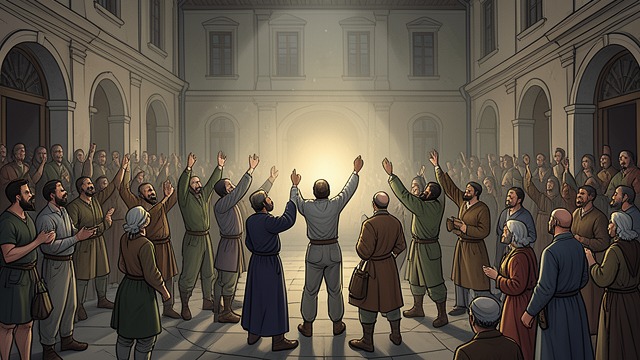
Paul meets disciples who have received John’s baptism but have not heard of the Holy Spirit. Their situation raises a question about what constitutes fully empowered participation.
A new communal experience
They are baptized in the name of Jesus, receive the Spirit, and speak and prophesy. The episode links baptism, spiritual empowerment, and public witness.
Magic Loses Its Hold
Power Is Not a Technique
Imposters are exposed
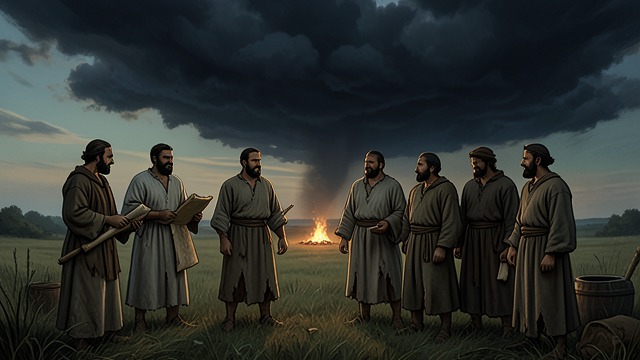
Seven exorcists try to use Jesus’s name without belonging to the community they invoke. The spirit they confront overpowers them, revealing the danger of treating the name as a purchasable formula.
Believers burn their books
People who practice magic confess and destroy valuable books of spells. Their public action marks a break with practices they once trusted to control uncertain forces.
Trade Becomes the Grievance
Conversion Changes the Market
Demetrius sees a threat
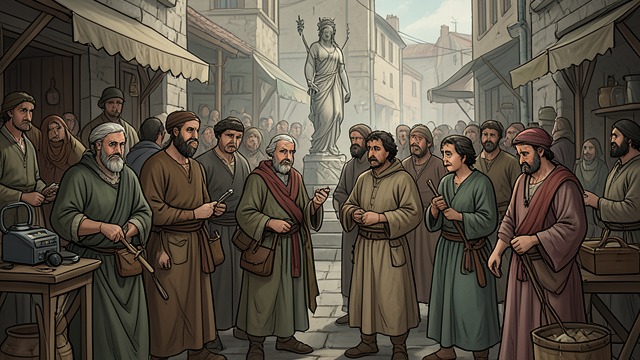
The silversmith Demetrius warns that the growing movement threatens sales of Artemis shrines and the city’s devotion to its goddess. Economic interest and religious identity reinforce one another.
A livelihood becomes a rallying point
Artisans gather followers by presenting their commercial concern as a defense of Artemis. Their grievance converts the mission’s spiritual effect into a public confrontation over money and influence.
The Clerk Calms the Crowd
Public Order Redirects the Crisis
The theater fills
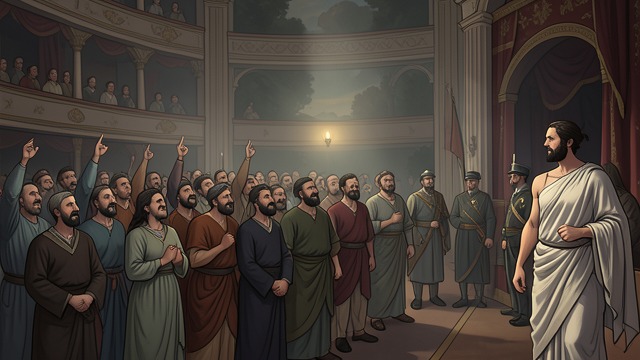
The crowd gathers in the theater, shouting for hours and drawing Paul’s companions into danger. Paul wants to enter, but friends and sympathetic officials restrain him.
A civic official intervenes
The town clerk says the artisans should use legal procedures and warns that the assembly itself risks prosecution for rioting. The crowd disperses, and Roman order unexpectedly prevents an immediate escalation.
Before Paul’s extended work in Ephesus
At the beginning of Paul’s teaching in Ephesus
During Paul’s teaching and healings in Ephesus
After many Ephesians abandon magic and shrine practices
At the end of the Ephesian riot
